Cape Coral Pool Service-by-precious-llc
cape-coral-pool-service-by-precious-llc
Post title: Cape Coral Swimming Pool Service and maintenance
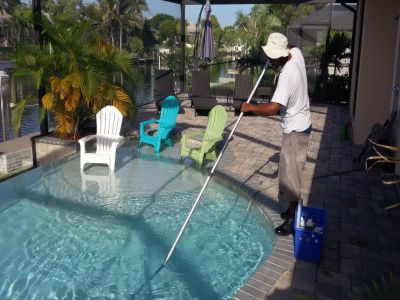
Precious , LLC provides quality, affordable pool cleaning service for homeowners located in Cape Coral Florida. Precious, LLC can provide all the necessary services to make sure your pool stays clear and blue at an affordable price.
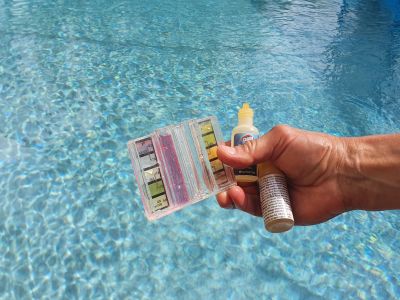
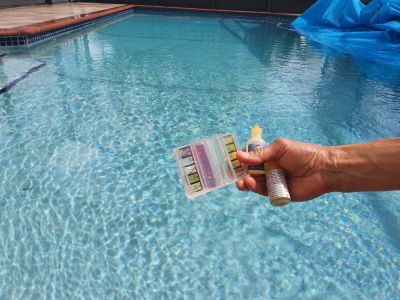
All pools can appear clean from just looking at it but honestly it can have algae, bacteria and other unwanted things living in your water that can be unhealthy for not only your pool but for your family. It is important to make sure that the person taking care of your pool has been educated in proper maintenance like our technicians have at Precious, LLC A company that you can trust to make sure your pool is healthy and safe to swim in.
We provide service to the Cape Coral area. We also carry liability insurance coverage and have the man power so that if our service technicians get injured or sick, your pool will continue to be serviced by top professionals within our company until our technician has recovered.
What is Pool Algae?
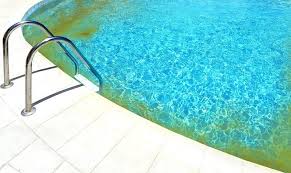
Algae are single-celled plants that contain chlorophyll. They are some of the hardiest and most widespread organisms living on the planet today. They’ve had a long time to evolve and adapt. Scientists tell us they were one of the very first life forms on the planet. Now there are more than 30,000 different types of algae. Their seeds, called spores, are constantly dropped in swimming pools by rain, wind, leaves, and other debris. It doesn’t take much to make algae happy. Give it warm water, sunlight, and carbon dioxide and it will thrive. And algae love pool owners who allow their pool water to sit stagnant for hours. There is no need for stagnant water today with an ultra-efficient pool pump that circulates pool water 24/7.